



Europe in the Spotlight: Why These Destinations Should Be on Your Radar This Year
By Anastasia Mills Healy
There are many compelling reasons to book a European vacation this year, such as seeing Notre Dame’s rebirth in Paris and celebrating the genius of Gaudí as Barcelona marks the centenary of his birth. Europe has 44 countries though! Here are some suggestions — two north and two south — for some less-visited spots with reasons to go now.
Cyprus

Cyprus is an appealing alternative to the crowded tourist areas of Greece. To the east of Crete, Cyprus is a large island in the eastern part of the Mediterranean near Turkey and Lebanon with gorgeous beaches, archaeological sites and mountainous regions. At the crossroads of Europe, Asia and Africa, it was a British territory until 1960 and is now a popular holiday spot for UK visitors. (It is important to note that Cypriots also drive on the left.) You won’t encounter many other Americans. There are no direct flights from the U.S.; of the countries sending the most visitors, the United States comes in at number 13.

Experiencing only 40 rainy days a year, Cyprus is a sunny island with pristine beaches, resorts in places like Ammochostos and Larnaka, and clear water that entices divers with wrecks, a new underwater sculpture museum and new artificial reefs. Paphos is a UNESCO World Heritage site for its Roman and Greek temples, mosaics and other antiquities. You can find waterfalls, an 11th century monastery and painted Byzantine churches in the Troodos Mountains. Plan on visiting medieval villages, wineries and a Knights Templar castle in Limassol, and thousands of flamingos at the Larnaka Salt Lake from November to March.
Nicosia, the island’s capital, has an old section wrapped in Venetian fortifications and the modern Eleftheria Square designed by Zaha Hadid Architects. The city is divided between two countries. The Republic of Cyprus is in the European Union; the northern part of the island is occupied by Turkey. Look for flights that arrive at the Larnaca or Paphos airports.
Visit visitcyprus.com for more information.
Costa Brava, Spain
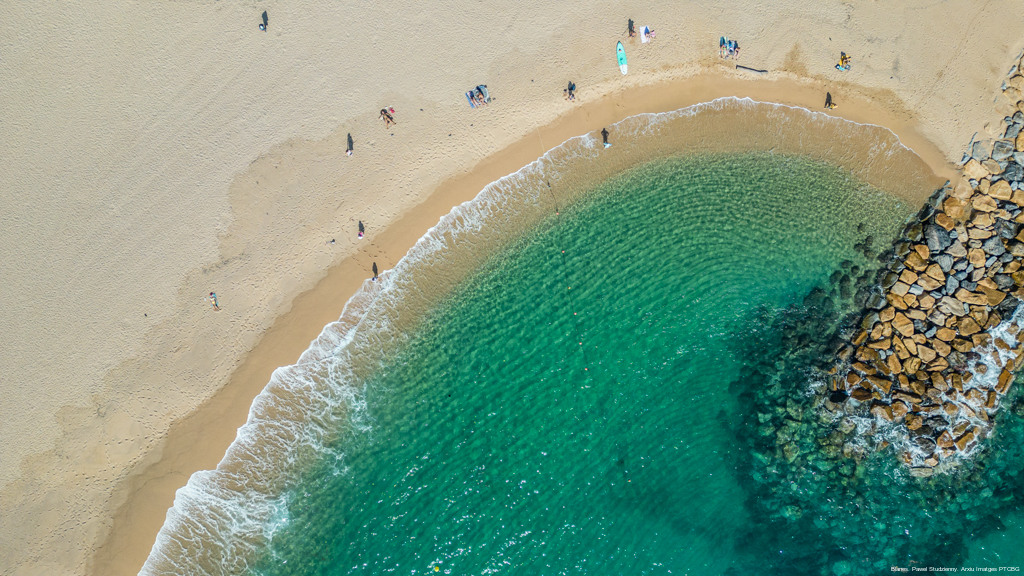
Locals have protested the number of tourists in Barcelona, so an alternative is the Costa Brava, which is within day-trip distance. A coastline with hundreds of beaches like Lloret de Mar, fishing villages such as Cadaqués and cliffs with panoramic sea views, the Costa Brava also is known for art, archaeological sites and gastronomy. Salvador Dalí lived here and fans can see his homes, art and art subjects in The Dalí Triangle: Figueres, Portlligat and Púbol. The Greco-Roman ruins at Empúries is just one of 550 heritage sites in the Girona province. Girona’s eponymous capital is known for its beautiful Jewish Quarter.
This region will already be on the radar of serious foodies as the home of star chefs Ferran Adrià and the Roca brothers as well as 13 Michelin-starred restaurants. El Bulli now exists as elBulli1846 in Roses and the three Roca brothers (a chef, a pastry chef and a sommelier) have blanketed Girona with epicurean experiences including the three-star El Celler de Can Roca, which has made the list of the top restaurants in the world. Superlative food deserves to be paired with wine of the same stature. Vinophiles will want to check off at least a few of the 30 wineries on the DO Empordà Wine Route.
To work off the indulgences, it’s easy to be active on the Costa Brava. Hike in the Pyrenees, kayak into sea caves, scuba dive at more than 60 sites, cycle picturesque paths, golf or skydive at Empuriabrava (one of the world’s top parachuting centers). Ryan Air serves the Girona Airport and the Barcelona Airport is 62 miles away and connected via rail and bus.
Visit costabrava.org for more information.
Iceland
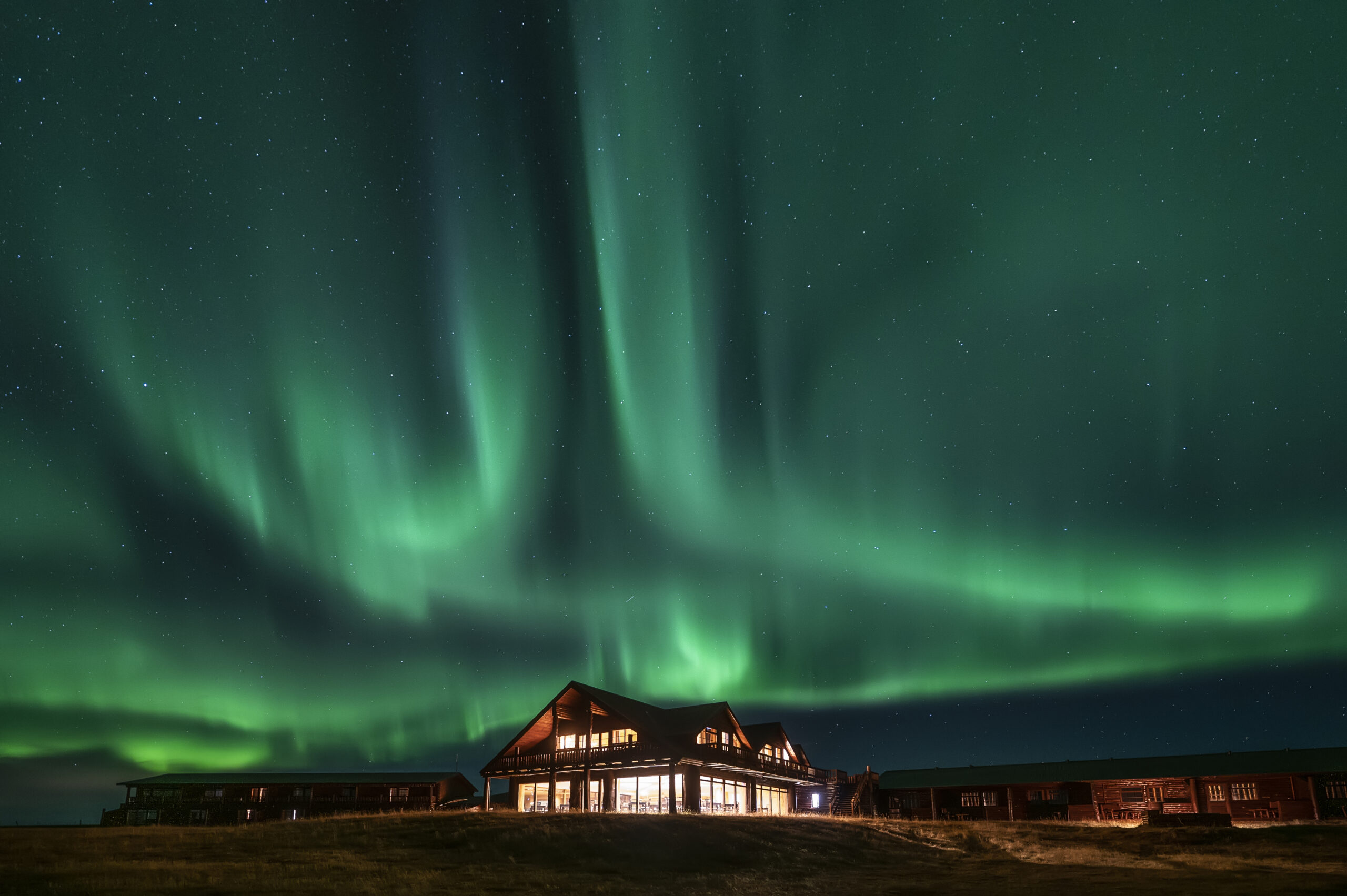
This is a once-in-a-lifetime year for Iceland. On August 12, the island will be directly in the path of a total solar eclipse — the first visible from Reykjavík since 1433 and the last until 2196. Western regions like the Snæfellsnes Peninsula and Westfjords will experience more than two minutes of totality, celebrated with the four-day Iceland Eclipse Festival featuring music, astronomy events, glacier tunnels, lava-cave concerts and eclipse cruises positioned far from light pollution.
Iceland is in the most dramatic solar maximum in over a decade, bringing exceptionally frequent Northern Lights through at least 2029. Clear winter skies and rural hotels like Hotel Ranga (which has its own observatory) that have aurora wake-up calls make it one of the best periods in years to witness this otherworldly phenomenon.

Beyond the sky shows, Iceland delivers iconic landscapes: glaciers, volcanoes, black-sand beaches, geysers and waterfalls along routes like the Golden Circle and the epic Ring Road. Travelers can soak in geothermal lagoons in the wild or at destinations like the famous Blue Lagoon near the Reykjavík airport and the serene Sky Lagoon in the city.
Reykjavík has also stepped into a new era with seven Michelin-recognized restaurants and stylish hotels like the Reykjavík Edition and Hotel Reykjavík Saga adding to the capital’s bona fides.
Visit visiticeland.com for more information.
Oulu, Finland
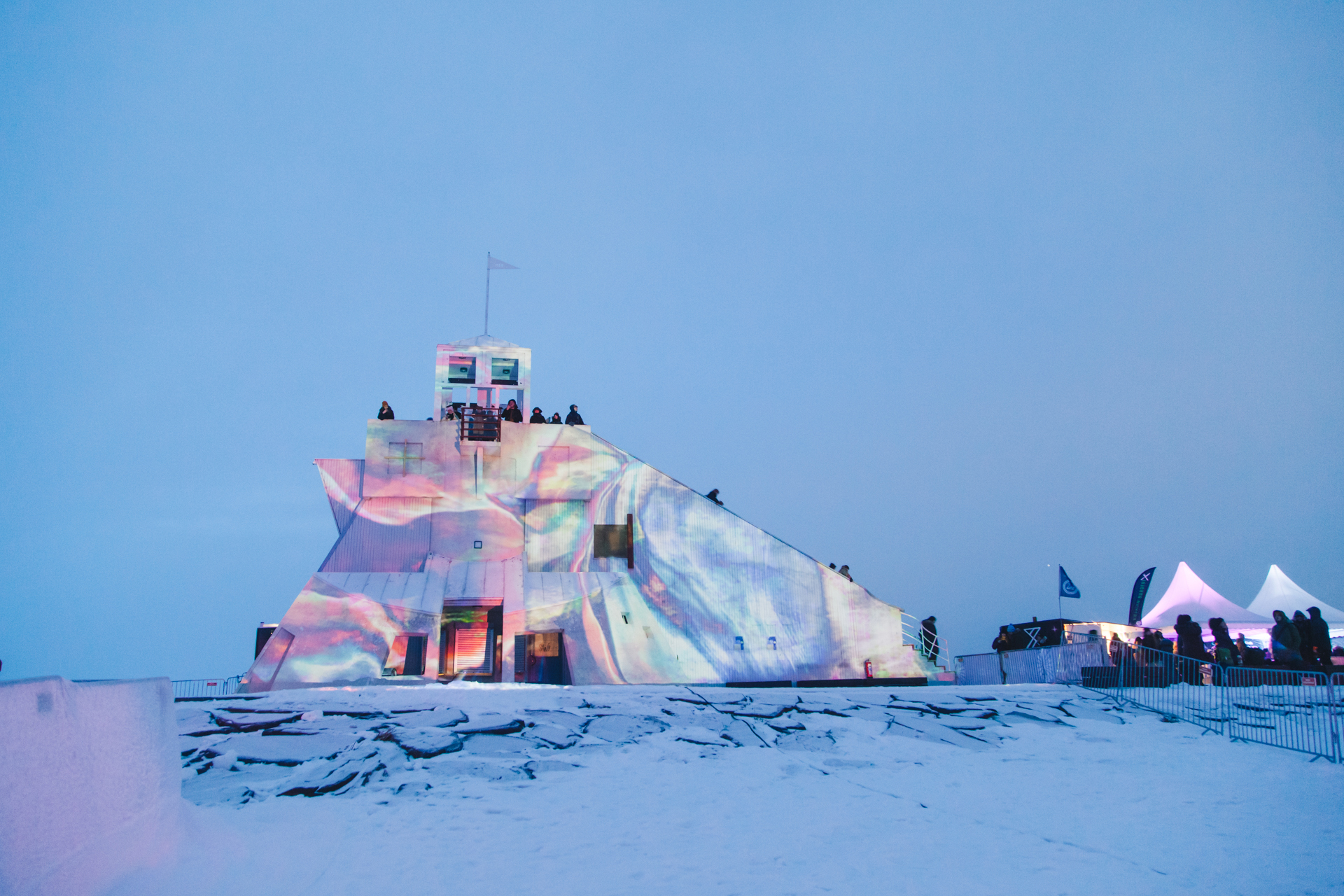
Oulu is the 2026 European Capital of Culture, a designation that is transforming this Arctic seaside city into one of Europe’s most exciting creative hubs. More than 500 events, major new museums and innovative art trails are planned. Just south of the Arctic Circle on Finland’s northwest shore, Oulu offers nature experiences with fresh air and water, 600 miles of bike paths, beaches on Hailuoto Island (one of the country’s 50,000 islands — Finland has world’s largest archipelago), forests and reindeer in Syöte National Park, and the dunes of the UNESCO Rokua Geopark. Winter brings snowshoeing, huskies and ice swimming. The midnight sun means more time for kayaking and hiking in summer. Sauna culture is strong year-round.
However, artistic culture is taking center stage. Highlights include the summer Solstice Festival at an Arctic fell where the sun never sets, the Climate Clock, a permanent eco-art route opening in June and an August dinner where hundreds of people eat at one communal table downtown. The beloved Air Guitar World Championships return, while Sámi exhibitions celebrate Europe’s only Indigenous culture. In October, the vast, new Museum and Science Centre Tiima debuts with immersive galleries timed for peak aurora borealis viewing. Many art experiences incorporate technology like light art, sound installations, digital experiences and electronic music as Finland has a techie side and is the birthplace of Nokia.
Helsinki is well served by multiple airlines and cities; the flight from Helsinki to Oulu is only an hour. The compact city center is easy to explore on foot or by bike.
It is worth going to Oulu for arctic creativity, northern lights without crowds, sauna wellness, and a yearlong festival of art and innovation in one of the world’s happiest countries.
Visit oulu2026.eu for more information.
Anastasia Mills Healy is a Greenwich-based travel writer and author of “100 Things to Do in Connecticut Before You Die” and “Secret Connecticut: A Guide to the Weird, Wonderful, and Obscure.”
More Stories
SAYBROOK POINT RESORT & MARINA: The Beauty of Old Saybrook in the Fall: It Lingers Longer Here
Fresh Alternatives to Popular Vacation Spots: Pick a Direction and Get Ready for a Memorable Trip
Festive Escapes Beyond the Usual: From Gibraltar Sunshine to Montenegro Ski Slopes