

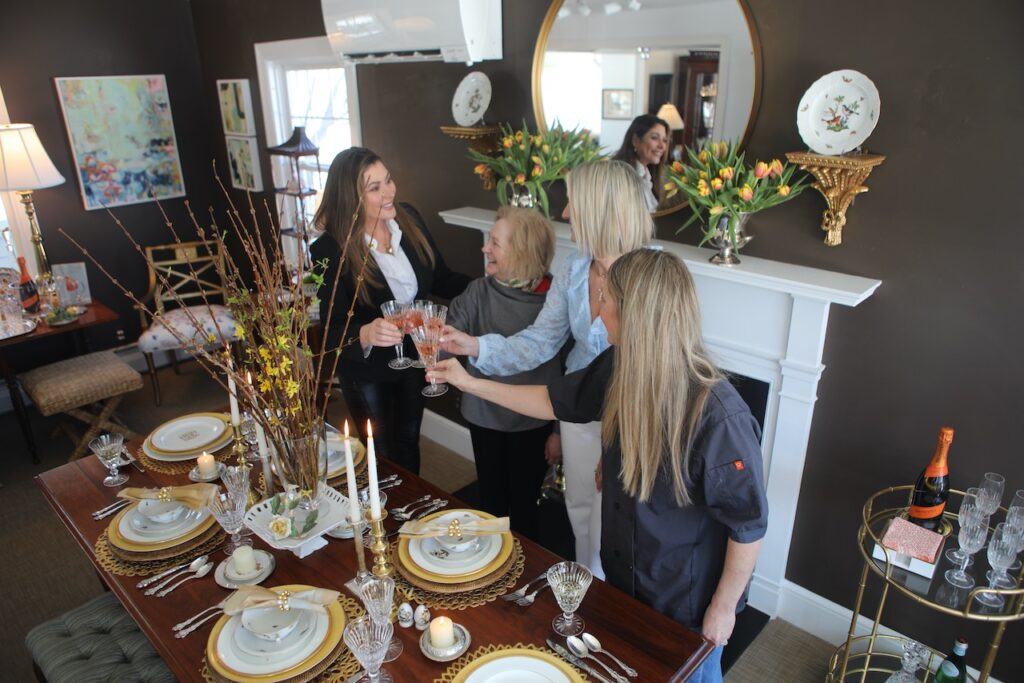

The Return of the Dinner Party
By Kerri-Lee Mayland
“People who love to eat are always the best people.” ~ Julia Child
Once upon a time, the dinner party was our social currency with menus carefully planned, drink pairings thoughtfully chosen, conversations designed to unfold over hours. From the 1960s through the 1980s, at-home entertaining was woven into the social rhythm. Cookbooks lined kitchen shelves. China cabinets brimmed with dish sets reserved for company. Invitations to supper were common, expected even.
By the 1990s, that ritual began to fade. Dual-career households, overscheduled calendars and the rise of casual dining out gradually shifted gatherings away from the home. Convenience edged out ceremony. Screens replaced place cards. Hosting became something we admired in theory but rarely had time to practice. The pandemic pressed pause even further, altering how we socialized and interrupting the natural flow of connection.
Now, something is shifting again. We are seeing a resurgence with a renewed appetite for setting a table and creating shared experiences that feel personal rather than performative. Today’s dinner party does not demand the perfection it once did. It requires only a bit of planning and a willingness to open the door. Guests are not expecting restaurant polish; they are craving the comfort and warmth of a real home.

With spring nudging us back toward color, flavor and connection, we are reclaiming the table — not to impress, but to delight. Modern gatherings are looser, more personal and refreshingly unfussy. The goal is not spectacle, but welcome.
Consider this an invitation to linger awhile as we explore entrée ideas, experiment with pairings and rediscover how to dress a table with ease. After all, aside from your guests, those are the true ingredients of a memorable evening.
The Table Sets the Tone
“One cannot think well, love well, sleep well, if one has not dined well.” ~ Virginia Woolf
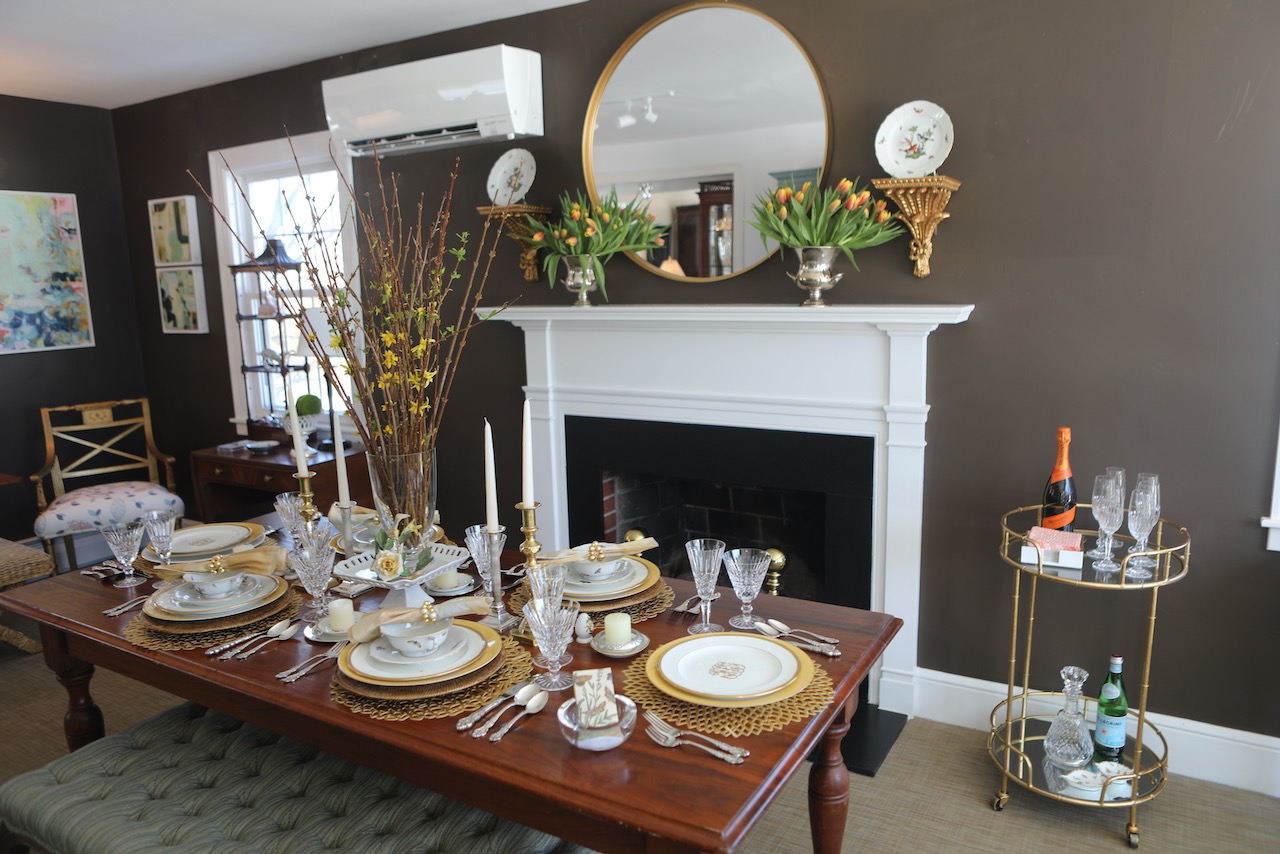
Before guests taste a single bite or sip, the table tells the story. For tablescape inspiration, I spoke with Lynne Einsel of The Weekend Home, known for her elegant yet unintimidating approach to design and entertaining. Her philosophy centers on a table that feels intentional, but never staged.
“A tablescape should feel inviting and relaxed — something that draws people in, not something they’re afraid to touch,” Einsel says.
Her two-story Avon shop is filled with pieces that balance beauty and utility: one-of-a-kind platters, vintage dishes, sterling serving pieces, and glassware that feels collected over time rather than perfectly matched. The effect is layered but approachable.
For a spring dinner party, she recommends beginning with a seasonal palette. “Linen tablecloths or runners instantly soften a space and signal that something thoughtful is about to happen,” Einsel explains. “But a bare wood table can feel just as welcoming when it’s layered well.”
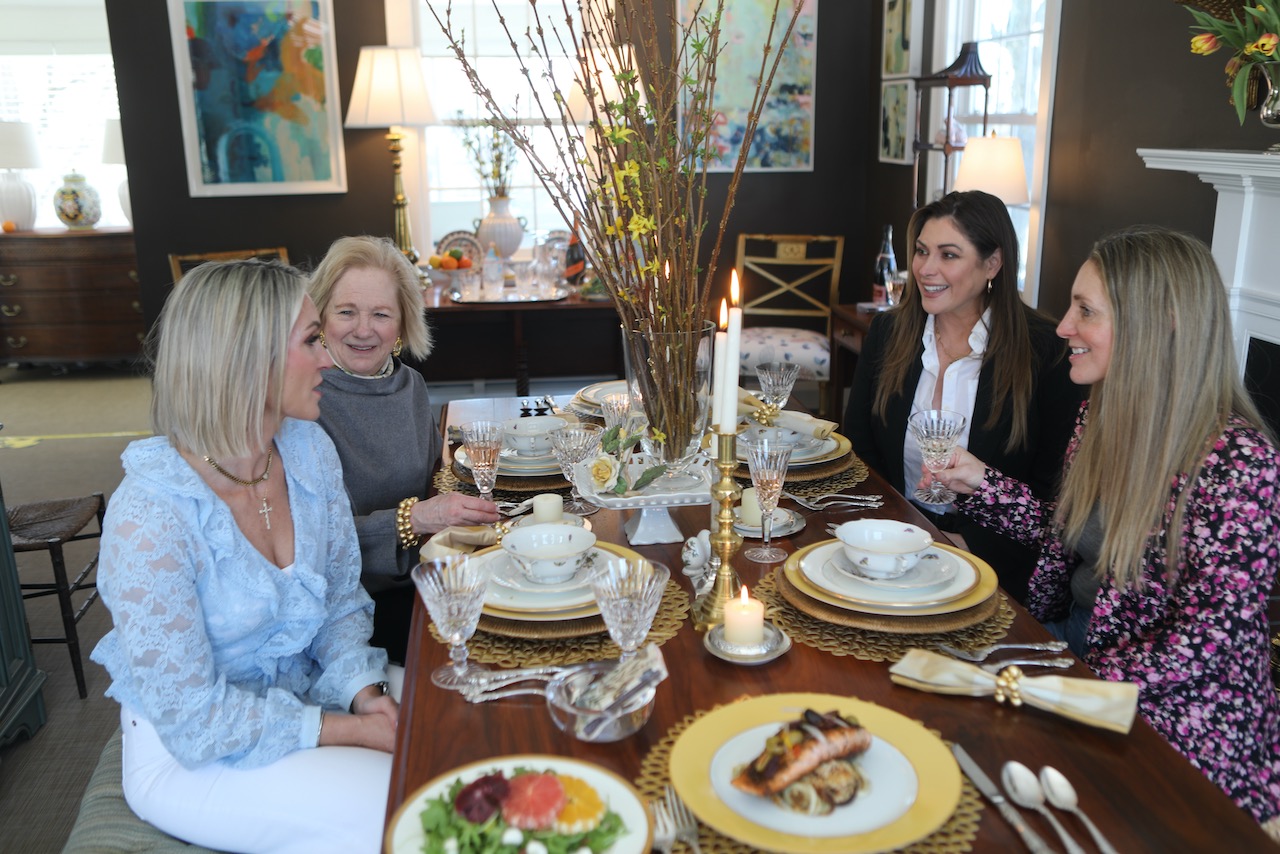
She suggests white or cream dishes with minimal patterns, allowing the food and florals to lead. Chargers or textured placemats add depth without overwhelming the setting.
Candles are nonnegotiable. A mix of tapers for height and low votives for warmth creates a flattering glow that encourages guests to settle in. “Candlelight does more work than any centerpiece ever could,” she says.
Spring florals should feel loose rather than overly arranged. For our table, Einsel chose forsythia — one of the first blooms of the season — but she encourages hosts to look outside for inspiration. Clip budding branches, tuck herbs into small vessels, or gather a few simple stems in clear glass. Restraint keeps the table fresh rather than fussy.
“When the table feels welcoming and the food is thoughtfully presented, that’s what people remember,” Einsel adds.
Make the Menu Matter
“After a good dinner one can forgive anybody.” ~ Oscar Wilde
Todd and Celeste Borelli, the husband-and-wife team behind Connecticut Personal Chef Services, specialize in making dinner parties feel elevated yet entirely achievable. With years of professional culinary training between them, they cook at a high level. What distinguishes their approach, however, is how they design menus for real homes and real hosts who want to enjoy their own party rather than perform through it.

“You don’t need our credentials to host a beautiful dinner,” Celeste Borelli says. “You need a plan that celebrates your skill level, whatever it may be.”
Both emphasize pacing as much as flavor. “When the host has the menu under control, they can relax. And when the host is relaxed, the entire table feels it.”
Their formula is simple: choose one hero dish and allow everything else to support it. This works especially well in spring, when lighter, brighter ingredients naturally take center stage.
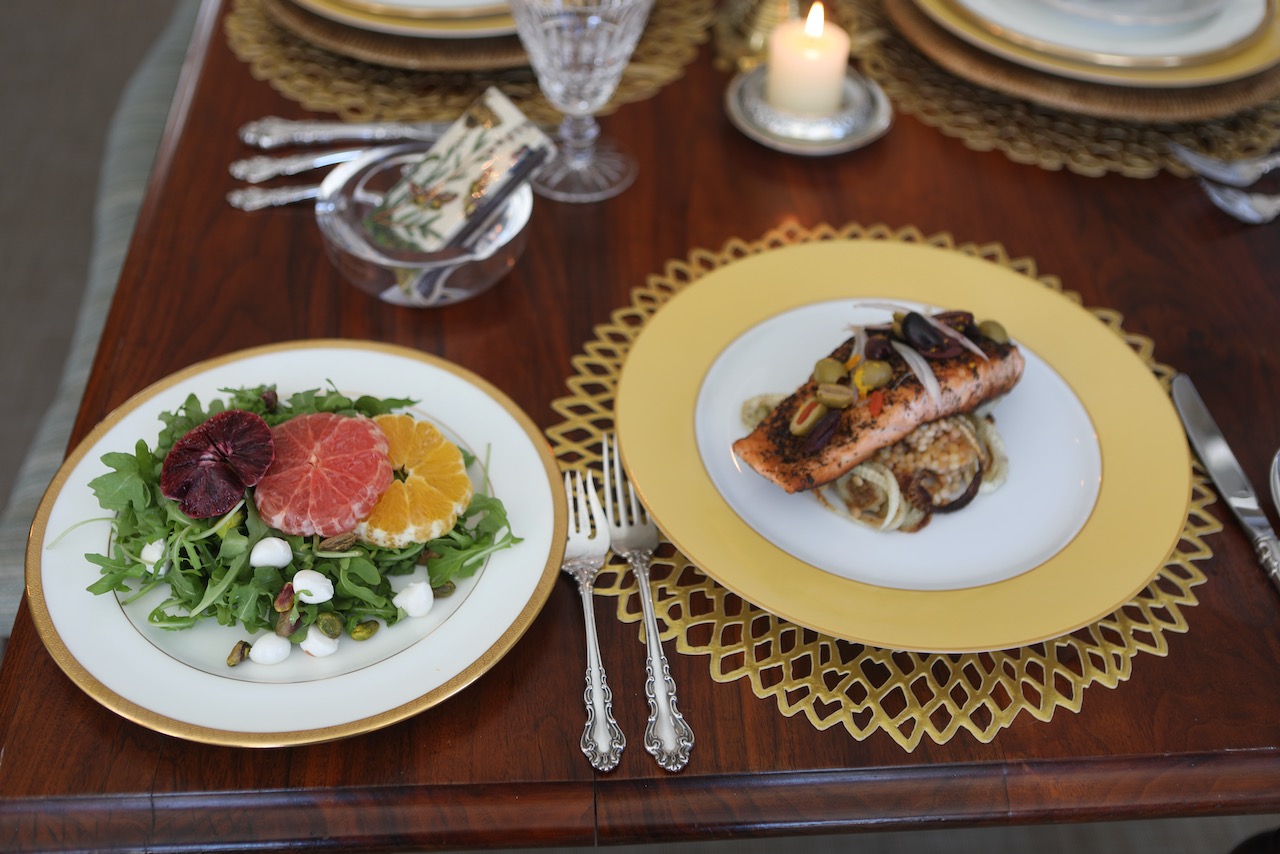
A few standout ideas include za’atar salmon with tapenade — as visually appealing as it is flavorful — featuring olive oil, lemon and a herby olive topping. Chicken Gruyère with peas, pancetta and garlic offers comforting richness balanced by spring vegetables. A green risotto layered with lemon, mascarpone, leeks, fennel, asparagus and peas brings both freshness and color to the table.
For coastal flavor lovers, Celeste Borelli suggests lowcountry shrimp and grits, a dish she mastered while working in Charleston. “The broth matters most,” she says. “The vegetables, bacon and shrimp build from there.”
The rest of the menu should remain streamlined: a light starter and no more than two sides, one fresh and one grounding. We paired Israeli couscous with a citrus arugula salad dotted with mozzarella pearls. Dessert can be simple — something homemade but not fussy.
The goal is not restaurant theatrics but generosity. A meal that encourages guests to linger, refill their glasses, and stay longer than planned.
What to Pour
“A meal without wine is like a day without sunshine.” ~ George Moore
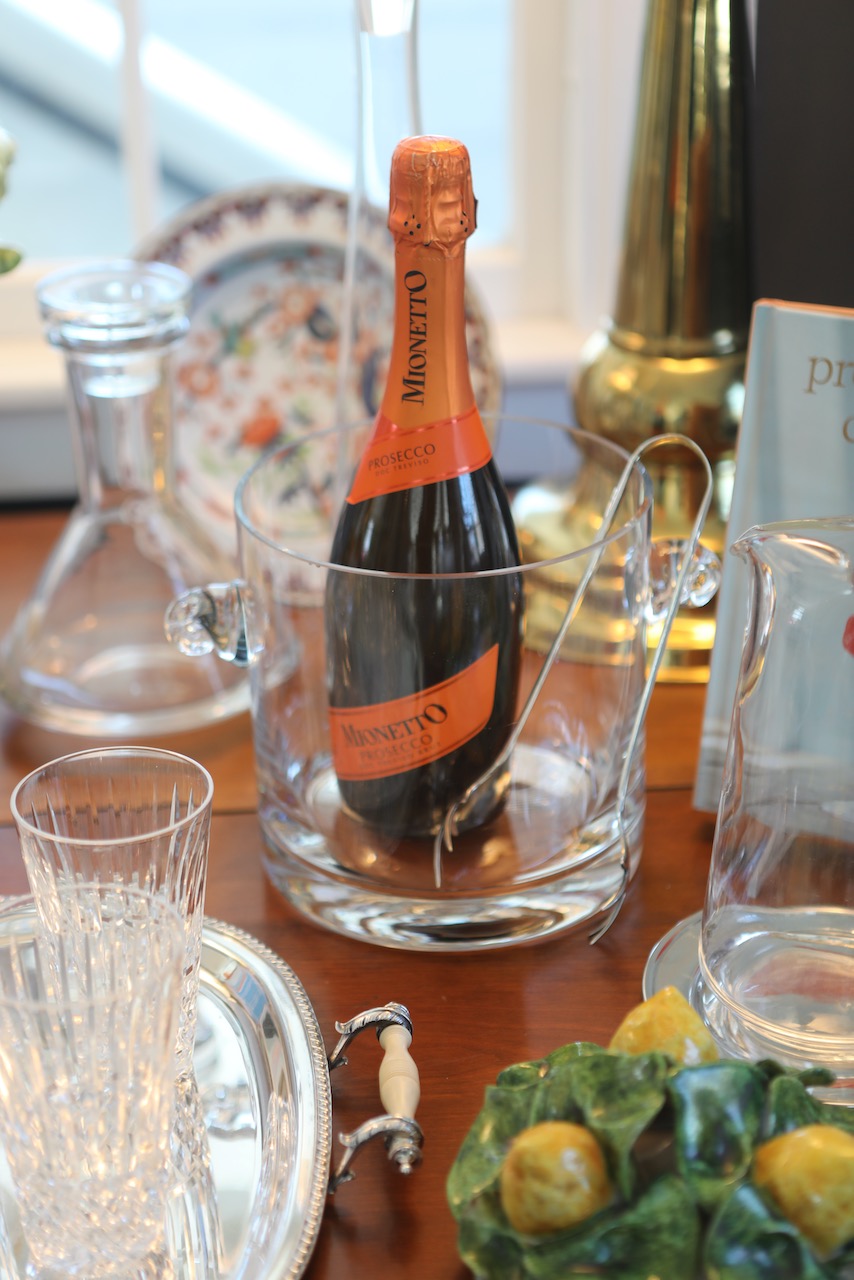
Wine educator Lisa Hamel, owner of Wine Etc. in Simsbury, is known for making wine feel approachable rather than overwhelming. Her philosophy mirrors the best kind of entertaining: relaxed and rooted in enjoyment.
“Wine should feel inviting, not intimidating,” Hamel says. “When people are comfortable, the table opens up.”
Her favorites in the shop are tagged “Lisa Loves,” offering confidence to both longtime customers and newcomers. She encourages hosts to pay attention when dining out.
“If you discover a wine you love at a restaurant, ask your local retailer to help you find it. Save it for your next gathering and share what you learned about it.”
Offering two wines — one white and one red — gives guests choice without complication. Hamel also encourages exploring old world wines from France, Italy, Spain or Portugal. “They’re shaped by the land and traditions where they’re made. They’re incredibly food-friendly and spark conversation.”
Equally important is recognizing that not everyone drinks alcohol. “A nonalcoholic option should never feel like an afterthought,” she says. “When it’s presented with care, it becomes part of the experience.”
At Wine Etc., Hamel offers mocktail mixology guidance, complete with nonalcoholic spirits designed to pair beautifully with food. Thoughtful hosting means considering everyone at the table. “Guests don’t always know why they feel comfortable,” she says. “They just feel it.”
When It All Comes Together
“People will never remember what you said or what you did, but they will remember how you made them feel.” ~ Maya Angelou
If you are inspired but unsure whether you can pull it off, remember this: the measure of a successful dinner party is not the perfection of the tablescape, the complexity of the menu or the rarity of the wine. It is what happens between the first bite and the last sip.
Plates left uncollected while conversation continues. Candles burned low. An extra chair pulled in. No one checking the time.
Returning to the dinner party is not about rules. It is about rhythm — the quiet choreography between preparation and spontaneity, elegance and ease.
In spring, when the days stretch longer and the air feels lighter, there is no better moment to gather. Conversations bloom. Laughter carries. And once again, the table becomes the place where connection begins.
Kerri-Lee Mayland is an Emmy Award–winning journalist, interior designer and TV show host who covers home, living and design for magazines and newspapers. A former news anchor, she brings a storyteller’s eye to beautiful, livable spaces.
More Stories
The Women Who Know Us: On Girlfriends, Friendship and the Women Who Shape Our Lives
Everything Old is New Again
One Man’s Adventures in Connecticut